Part 3: Leveraging Overdrafts for SME Growth
A financial tool dating back to 1728 and the Royal Bank of Scotland, overdrafts remain one of the most flexible ways African SMEs manage seasonal cash flow — used well, they bridge gaps without long-term debt.
Continuing this exploration of financial instruments African SMEs can utilize for growth, we turn to overdrafts — a facility that can provide crucial liquidity, allowing businesses to manage cash flow more effectively.
Understanding Overdrafts
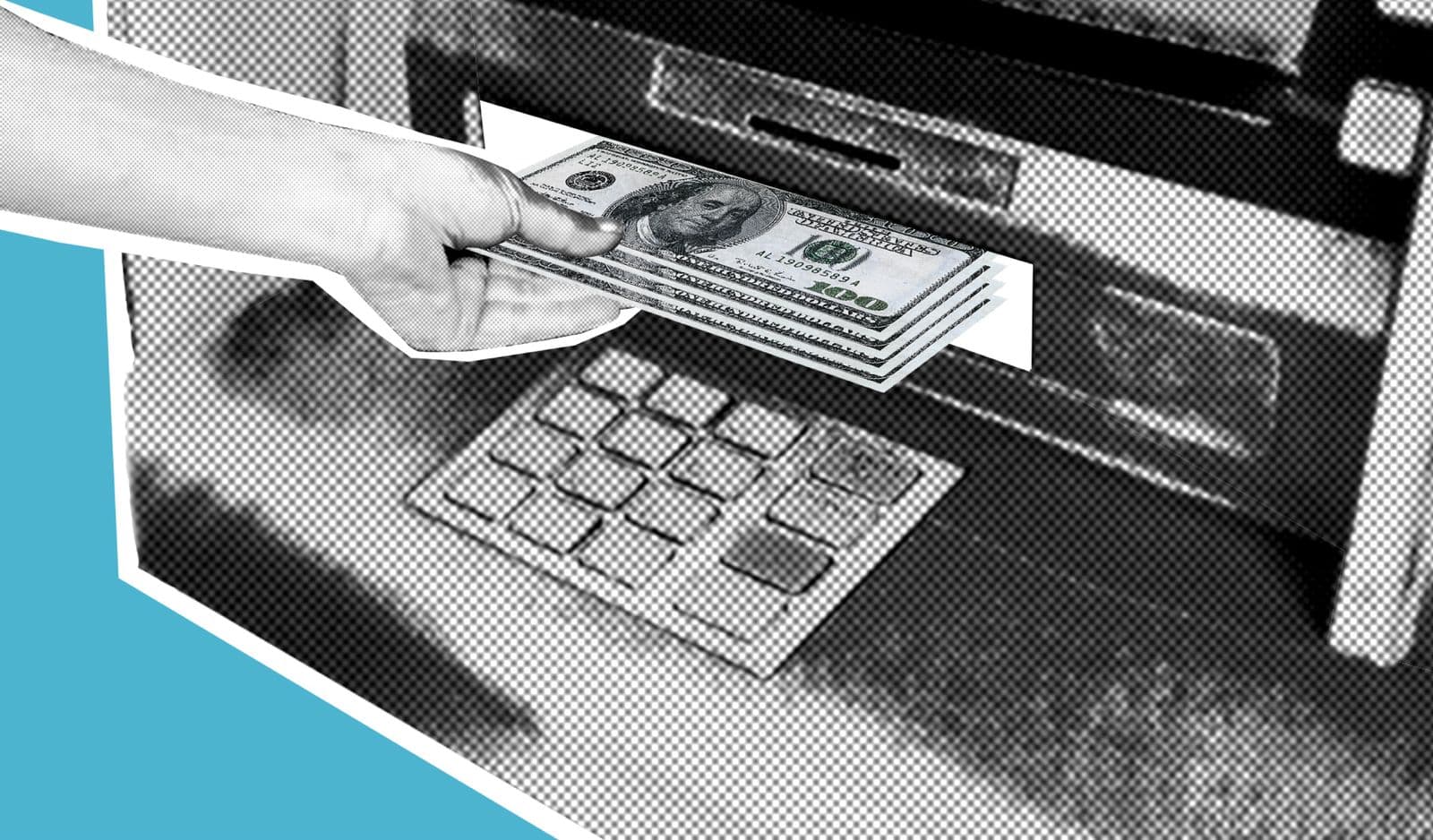
An overdraft is a facility provided by banks that allows businesses to withdraw more money from their accounts than is currently available, providing short-term financing to cover immediate expenses or bridge temporary cash flow gaps. Authorized overdrafts are pre-approved by the bank with a set limit and agreed terms, typically at lower interest rates and fees than the alternative. Unauthorized overdrafts occur when a business exceeds its balance without prior agreement — these carry higher fees and interest, and can negatively impact the business's credit rating.
The concept dates to 1728, when the Royal Bank of Scotland granted an overdraft facility to merchant William Hog, allowing him to withdraw more than he had in his account to cover short-term cash flow needs — the beginning of what became a common banking practice worldwide, paving the way for the modern overdraft facilities that provide essential financial flexibility today.
Advantages
Overdrafts offer flexibility — usable as needed up to the agreed limit, ideal for managing short-term cash flow fluctuations. Once in place, funds can be accessed quickly without further approval, and businesses only pay interest on the amount actually overdrawn, not the entire facility limit. This helps maintain operational continuity — meeting payroll, suppliers, and other operating expenses without disruption.
Drawbacks
Overdrafts, especially unauthorized ones, can carry higher interest rates than other forms of financing. They are best suited for short-term needs and can be costly if relied upon for long-term financing, and regular use can create dependency and a cycle of debt.
Best Practices
Negotiate favorable terms — the overdraft limit and interest rates — directly with your bank. Monitor usage closely to avoid excessive fees and interest charges. Have a clear repayment plan to avoid long-term dependency, and use overdrafts primarily for unexpected expenses or short-term cash flow issues rather than regular operational costs.
Case Study: Seasonal Business Needs
ABC Trading Co., a small Kenyan enterprise importing and selling consumer electronics, experiences significant sales spikes during the festive season but struggles with cash flow in off-peak months. By negotiating an authorized overdraft facility with their bank, they were able to stock up on inventory ahead of the festive season without cash flow worry — using the overdraft to pay suppliers promptly and secure better terms and discounts. After the festive season, increased sales revenue repaid the overdraft, maintaining a healthy financial position. This strategic use let ABC Trading capitalize on seasonal demand, improve supplier relationships, and sustain growth without enduring long-term debt.
The call to action here is simple: talk to your banker, and ask about their overdraft offerings for SMEs. Overdrafts can be a powerful tool for managing cash flow and ensuring operational continuity — understanding the types, advantages, and drawbacks lets businesses make informed decisions and use overdrafts strategically to their benefit.
Originally published on LinkedIn: https://www.linkedin.com/pulse/part-3-leveraging-overdrafts-sme-growth-foster-awintiti-akugri-csmde/