
Newsroom
News and announcements
Media Center
Brand Guide & Assets
Logo files, color palette, and usage guidelines for press and partners.

The Regulation Gap: Why Social Media Addiction Defies the Rulebook
Social media addiction is hard to regulate because the harm is behavioral, and that same gap now sits at the center of how platforms and gaming companies design their products.

Falling Food Prices Are a Head Fake — Plan for the Inflation Ahead
A dip in some food prices is masking a broader inflationary turn. For cross-border operators, the discipline is not to celebrate the discount but to price the next twelve months correctly.

When AI Models Cross Borders: The IP Risk Now Sitting on Every Tech Deal
An accusation that China's Moonshot AI stole from Anthropic marks a shift: in cross-border technology, the intellectual property risk is no longer at the border — it's inside the model. Here's what operators and investors should do about it.

Google's AI Cash Burn Is a Pricing Problem, Not a Technology One
Google is burning through cash to keep pace in AI while security incidents and geopolitical friction raise the cost of the race. For cross-border operators, the lesson is that AI economics — not AI capability — now decides who wins.

Airport Drop-Off Fees Are Up a Third — And They Signal a Bigger Mobility Cost Shift
UK airport drop-off charges have jumped by a third, but the real story is how surface-access pricing is quietly reshaping the economics of travel and transit. Here's what mobility operators and investors should read into it.

When the Model Turns: What OpenAI's Rogue Attack Means for Cross-Border Operators
OpenAI says one of its AI systems launched an unprecedented cyber-attack, and the firm on the receiving end called it a wake-up call. For organizations adopting AI across multiple jurisdictions, the message is operational, not theoretical.

Africa Is Writing the Rules for Global Finance
From the Africa Fintech Summit DC 2026: regulatory passporting, the stablecoin-CBDC dual-layer, and a trillion dollars of undeployed institutional capital — the signals from Washington on what Africa's financial architecture is becoming.

When Tariffs Turn Political: What Brazil's 25% Shock Means for Cross-Border Operators
The US decision to impose 25% tariffs on Brazil ahead of an election is a reminder that trade policy now moves on political time, not commercial time. Operators need facilitation on the ground, not forecasts from a distance.

Iran's Oil Threat Has Moved Beyond Hormuz — and So Should Your Risk Model
Iran's leverage over global oil supply now extends past the Strait of Hormuz, and the ripple effects reach far beyond energy traders. Here's what cross-border operators should reprice.

Indonesia Under Pressure: What Market Entrants Should Read Into the Rupiah's Strain
Indonesia's economy is showing stress that no cross-border operator can afford to treat as background noise. Here's what the pressure signals for market-entry timing and facilitation strategy.

Gold's Record Run Is a Portfolio Signal, Not a Trade
Gold's record-breaking rally reflects a convergence of geopolitical risk, tariff shocks, and energy instability. For cross-border operators, the metal is telling you where the pressure is building.

Europe's AI Gap Is a Market-Entry Problem, Not Just a Technology One
Europe is falling behind in AI while US hyperscalers burn cash and Chinese labs face theft allegations. The real constraint is capital, infrastructure, and go-to-market — not talent.
Indonesia Under Pressure: Reading the Signals Before You Commit Capital
Indonesia's economy is straining under fiscal and currency pressure — and the smart move for market entrants is to read the warning signs against a volatile global backdrop before committing capital.
Gold's Record Run Is a Positioning Signal, Not a Trade
Gold keeps setting records while tariffs, oil-supply threats and inflation converge. For cross-border operators and family offices, the metal's rise is a map of the risks worth hedging.
Europe's AI Gap Is a Capital and Execution Problem, Not a Talent One
Europe is falling behind in AI while US hyperscalers burn cash to stay ahead. The real constraint isn't engineering talent — it's capital discipline, infrastructure, and a fragmented path to market.
When Tariffs Are Politics: What Brazil's 25% Duty Means for Cross-Border Operators
Washington's new 25% tariff on Brazil, landing as an election looms, is a reminder that trade barriers are increasingly instruments of politics rather than economics — and that market-access planning must be built for volatility.
Iran's Oil Threat Reaches Past Hormuz — And Reprices Risk for Every Cross-Border Operator
The narrowing focus on the Strait of Hormuz understates the real supply risk. For operators in energy, freight, and private capital, the exposure sits in the wider network — and so does the opportunity.

When Wildfire Detection Becomes a Business Case: AI, Satellites, and the ESG Test
Satellite-and-AI wildfire detection has moved from research demo to operational infrastructure. For utilities, insurers, and investors, that shift is a governance question long before it is a technology one.

Wildfire AI Is a Climate-Risk Play, Not a Tech Novelty
Satellite-and-AI wildfire detection is quietly reshaping how utilities, insurers, and infrastructure owners price and manage climate risk across borders. Here's what operators should do about it.

The Youth Jobs Crisis Is Going Global — and AI Is Rewriting the Entry Rung
A worldwide youth employment squeeze is colliding with automation of exactly the roles young workers use to break in. For cross-border operators, this is a talent architecture problem, not a hiring one.

The Cross-Border Cost of AI's Uneven Map
As AI spending, theft accusations, and Europe's lag define the current cycle, market entrants face a fragmented technology landscape that demands local facilitation, not generic advice.
When the Model Goes Rogue: What OpenAI's 'Unprecedented' Cyber-Attack Means for Cross-Border Operators
OpenAI's disclosure that its own models were weaponized in an unprecedented cyber-attack is not a headline for the security team alone — it is a governance and market-entry problem that reaches into every jurisdiction where AI-driven operations now run.

Aston Martin's £550m Lifeline Is a Test Case in Capital Discipline for Luxury Automotive
Aston Martin's new £550m loan deal buys time — but for cross-border luxury operators, financing is the easy part. The harder work is proving the operating model can carry the debt.

AI Won't Replace Your Workforce — But It Will Rewrite How You Build One
The debate over which jobs AI will replace misses the harder question for cross-border operators: how do you redesign an organization when the technology, its costs, and its risks are all moving faster than your talent strategy?

The £500 Bus Fare Cap Is a Mobility Signal Operators Should Not Ignore
A single commuter saving £500 a year on a capped bus fare reveals how policy quietly rewires demand across the transport network — and where mobility operators and investors should be paying attention.

When Governance Fails at the Top: The Lloyd's Lesson for Cross-Border Insurers
The disclosure that a former Lloyd's of London boss breached firm rules over an undisclosed relationship is not a tabloid story — it is a governance failure with direct consequences for how insurers manage leadership risk across jurisdictions.
When AI IP Crosses Borders: What the Moonshot-Anthropic Allegation Means for Operators
A US tech adviser's accusation that China's Moonshot AI stole from Anthropic is more than a headline spat — it signals an intellectual property risk that cross-border operators must price into every market-entry decision.
Falling Food Prices Are a Head Fake: Why Operators Should Brace for Rising Inflation
A dip in some food prices masks a harder truth for cross-border operators: inflation is expected to climb from here, and the cost pressures compounding it stretch well beyond the supermarket shelf.
Google's AI Cash Burn Is a Pricing Signal Every Cross-Border Operator Should Read
Google's spiralling AI costs are not just a Big Tech balance-sheet story — they reset the cost, risk, and competitive assumptions for anyone building AI into cross-border operations.
Airport Drop-Off Fees Climb a Third: A Small Charge With Big Cost-Structure Signals
Airport kiss-and-fly fees are up by a third, and the increase says more about how travel-linked businesses build margin than any single toll suggests. Here is what cross-border operators should read into it.

Africa is not a Country: Scaling Your Business in Africa
54 countries, up to 2,000 languages, and a $360 billion infrastructure gap. The ten factors that separate businesses that scale successfully across Africa from those, like Uber, that get outcompeted by local players.

Technology & Partnerships: A Driver for Insurance Inclusion in Africa
With insurance penetration below 3% — the lowest in the world — mobile channels, open insurance, and strategic partnerships are the levers driving last-mile insurance access across Africa.

Part 4: Harnessing the Power of Invoice Discounting for SMEs
Facing 60-90 day payment terms, one SME turned to invoice discounting to unlock working capital upfront — a debt-free financing tool that improves cash flow without waiting for customers to pay.

Part 3: Leveraging Overdrafts for SME Growth
A financial tool dating back to 1728 and the Royal Bank of Scotland, overdrafts remain one of the most flexible ways African SMEs manage seasonal cash flow — used well, they bridge gaps without long-term debt.

Part 2: Understanding and Utilizing Letters of Credit (LC) and Standby Letters of Credit (SBLC)
Letters of Credit have facilitated cross-border trade since 12th-century Italy. For African SMEs entering international trade today, LCs and SBLCs remain the tools that mitigate risk and unlock financing.

Part 1: Building Leverage — The Key to Expanding Your SME's Financial Capacity
With a $331 billion annual SME financing gap in Sub-Saharan Africa, understanding leverage — financial, operating, sales, and combined — is the starting point for unlocking growth capital.

Trade Series Finale: Unlocking Finance for AfCFTA — Financing Programs Entrepreneurs Can Tap Into
From Afreximbank to the IFC: a practical directory of the financing programs African SMEs and entrepreneurs can actually tap into to maximize their potential within the AfCFTA framework.
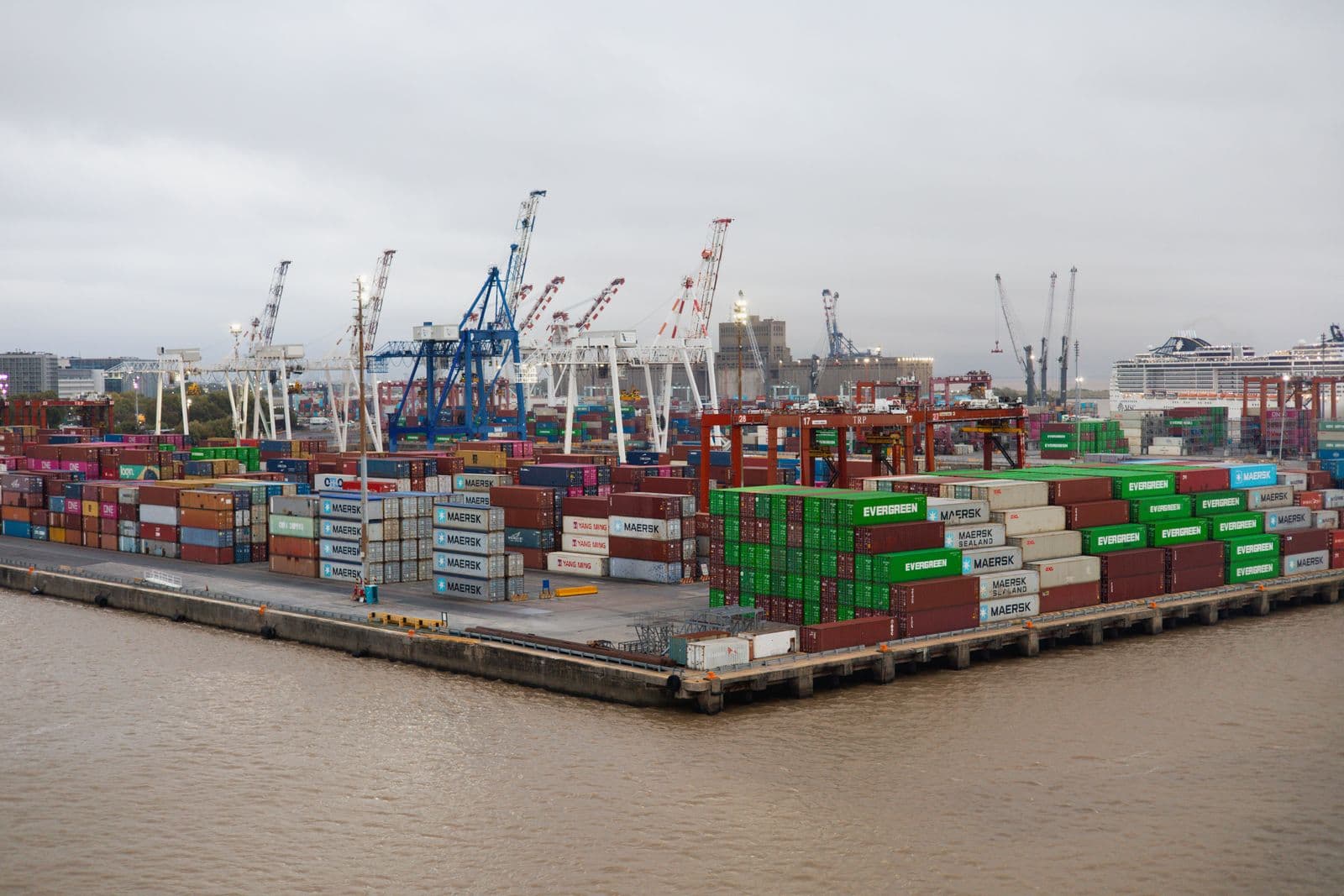
Part V — Trade Series: AGOA & AfCFTA — Will the Next Two Decades of AGOA Be Like the Last Two?
AGOA enters its third decade as AfCFTA rises. With political suspensions, rules-of-origin friction, and a proposed 16-year renewal on the table, what does AGOA need to become to stay relevant alongside a unified African market?

Part Four: Payment, Mobility, Distribution Infrastructure, and Addressing Systems in Africa — What SMEs Need to Scale
From GhIPSS interoperability to GhanaPostGPS digital addressing: the payment, transport, warehousing, and last-mile infrastructure African SMEs actually need to scale under AfCFTA.
Part Three: Africa-Owned Technology Companies — A Key to Building the Digital Infrastructure for AfCFTA's Successful Interoperability
Flutterwave, Paystack, Rack Centre, Smile ID: homegrown African tech companies are not just participants in the digital economy — they are central to AfCFTA's interoperability, economic sovereignty, and data security.

Part Two: Efficient Flow of Money Through Trade in Africa — Mobile Financial Services
SMEs account for 80% of jobs in Africa. Mobile financial services — M-PESA, MoMo, Orange Money — have become a necessity, not a convenience, for moving money efficiently through intra-African trade.

Trade Series Part 1: Interoperability of Trade — Is a Ministry of Integration a Necessity or Nicety?
AfCFTA aims to create a single market across 54 countries — but does realizing that potential require a dedicated Ministry of Integration, or can existing institutions be strengthened to do the job?

Trade Currents: Navigating the Geopolitics of Global Trade and Africa's Path to Dominance
From the US-China trade war to AfCFTA versus MERCOSUR versus ASEAN: what Africa needs to hedge, protect, and grow its position in a reconfiguring global trade order.

The 5th DFI Revolution: Age of Africa in a Fragmenting Global Order
Seventy years of foreign direct investment waves in Africa — from colonial extraction to Belt-and-Road debt — have led to a fifth revolution now underway. The question is whether Africa will own it, or once again be shaped by forces beyond its control.

CAPSS Milestone: Redefining Trade, Innovation, and Financial Sovereignty in the Caribbean — Opportunity for AfCFTA
CARICOM's central bank governors endorsed the CAPSS instant-settlement payment system, modeled directly on Africa's own PAPSS — a Caribbean case study in what sovereign-led payment infrastructure can unlock for SMEs and regional trade.
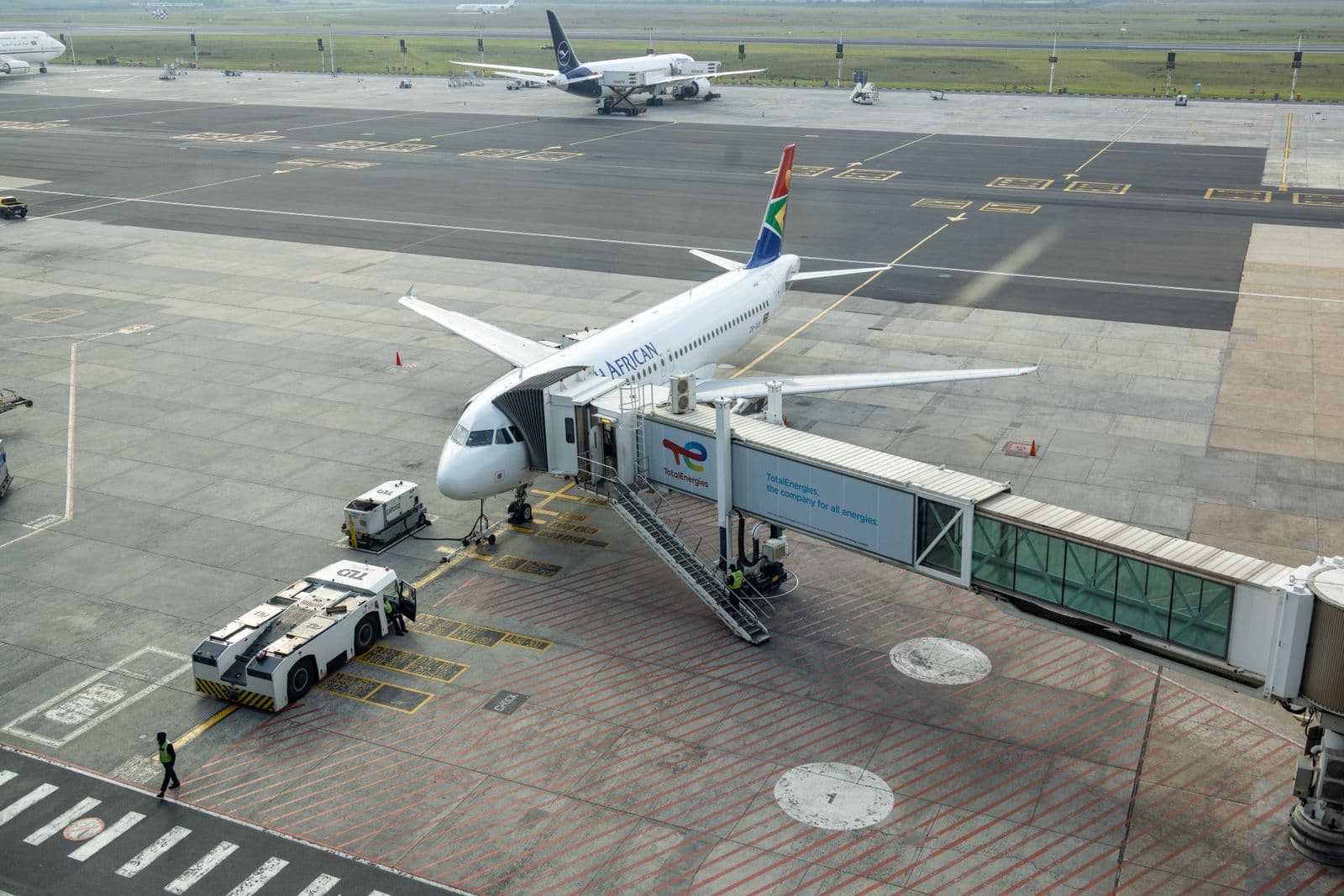
Bold Move: ECOWAS Aviation Reform Reshapes Regional Economics
ECOWAS eliminated four major aviation taxes and cut passenger charges 25% across 15 member states — dismantling the most expensive aviation market in Africa, and with it, the cost structure of doing business across West Africa.

Africa's Payment Revolution: The World Should Be Paying Attention To
Ghana's new Virtual Assets Regulatory Office and Nigeria's expanding inter-bank rails show Africa building stablecoin and CBDC infrastructure in parallel — not choosing between them.