Iran's Oil Threat Has Moved Beyond Hormuz — and So Should Your Risk Model
Iran's leverage over global oil supply now extends past the Strait of Hormuz, and the ripple effects reach far beyond energy traders. Here's what cross-border operators should reprice.
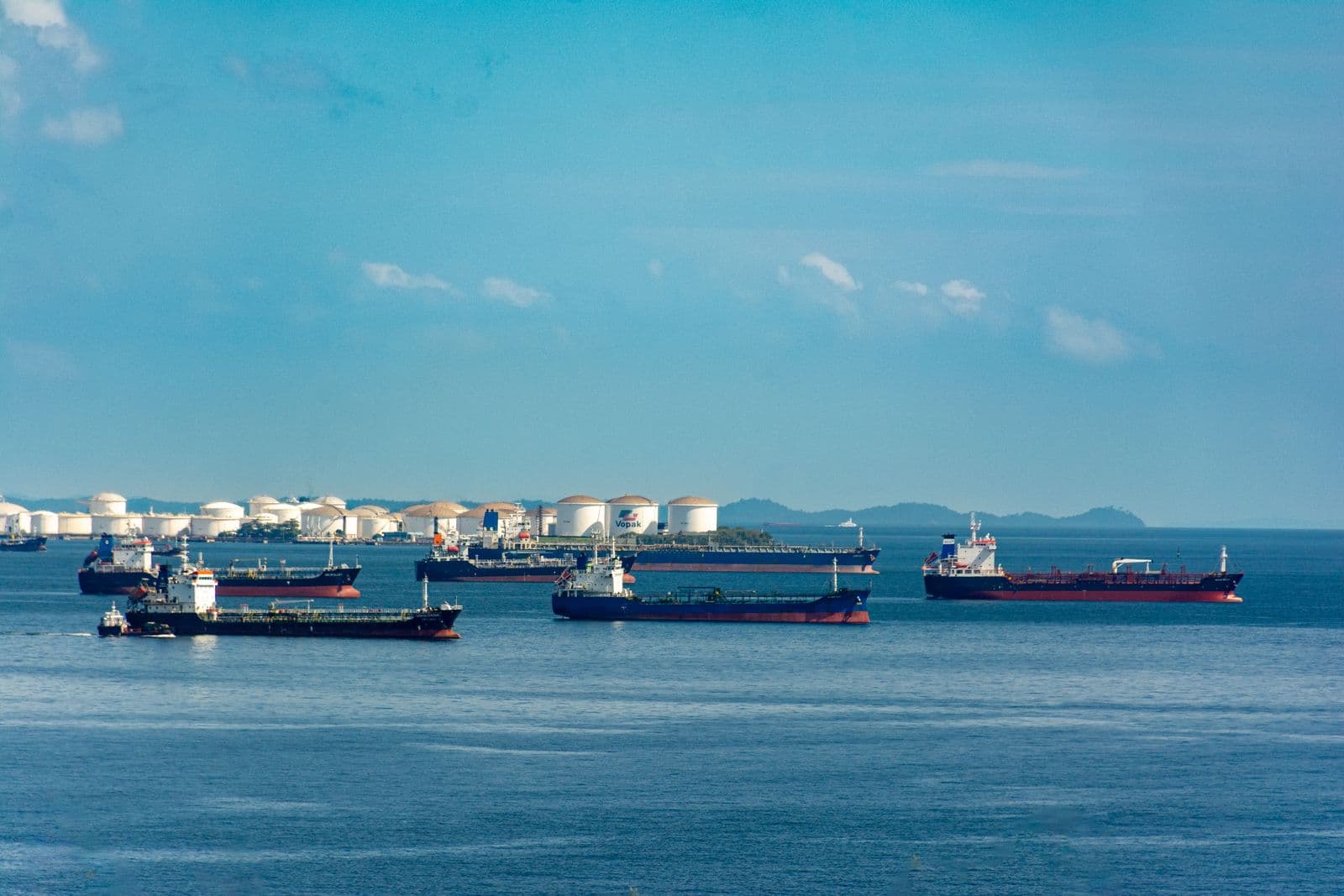
For two generations, the standard model of Iranian oil risk fit on the back of a napkin: watch the Strait of Hormuz, price a spike, hedge accordingly. That model is now out of date. As DW Business reports, Iran's supply threat extends beyond Hormuz — meaning the vulnerability is no longer a single chokepoint but a distributed set of pressure points across shipping, refining relationships, and pricing behavior. For anyone with capital or operations exposed to Energy & Natural Resources, that is a structural change, not a headline.
The chokepoint mindset is a liability
When risk is concentrated at a single geographic point, mitigation is simple: monitor, insure, reroute. When it is distributed, the same tools produce false comfort. A firm that has hedged its Hormuz transit exposure may still be fully open to disruptions upstream and downstream of the strait — in loading terminals, in counterparty refiners, in the insurance and re-insurance that underwrite the whole chain. We saw a version of that governance blind spot elsewhere this cycle: the BBC's reporting on a former Lloyd's of London boss whose relationship breached firm rules is a reminder that the institutions pricing maritime and energy risk are themselves fallible. When the model and the underwriter are both stressed, buyers pay for that gap.
This is precisely where APEX's Oil & Gas coverage inside our Energy & Natural Resources practice earns its keep. Our position is straightforward: a distributed threat requires a distributed map. That means physically tracing where a client's barrels, contracts, and counterparties actually sit — not modeling an abstract chokepoint from a desk.
The correlated moves nobody is pricing together
Energy shocks never travel alone. DW's coverage of gold's record-breaking run points to the same investor psychology that reprices oil: capital moving toward hard assets when geopolitical certainty erodes. If you run a Private Capital allocation — a family office or PE portfolio — an Iranian supply scare doesn't just hit your energy names. It moves your gold-adjacent hedges, your inflation assumptions, and your emerging-market exposure at the same time.
And inflation is not settling. The BBC notes that while some food prices have fallen, inflation is expected to rise from here. An oil supply premium landing on top of that trajectory is not additive — it is compounding, feeding through freight, agribusiness inputs, and consumer prices. Pressured economies feel it first: DW's reporting on Indonesia's economy under strain shows how quickly an import-sensitive market absorbs energy and currency stress. A market-entry plan built on last year's cost base is already wrong.
What we tell clients to do now
APEX does not sell alarm. We sell repositioning. Our Market Development & Facilitation teams are embedded in the jurisdictions where these risks land — the Gulf, South and Southeast Asia, and the European industrial base — which lets us answer the questions a distributed threat actually raises:
- Where do your physical flows and counterparties concentrate beyond the obvious chokepoint, and who is the on-the-ground partner that keeps you supplied if one node fails?
- How does a sustained oil premium interact with the inflation path already in your cost model — and which contracts need renegotiating before, not after, a spike?
- For Private Capital holders: are your energy, gold, and emerging-market positions being stress-tested as one correlated basket or as separate line items?
The firms that struggled in previous energy shocks were rarely the ones without a hedge. They were the ones whose hedge protected a threat model that had already moved. Iran's leverage has moved. The advantage now belongs to operators who redraw the map before the next disruption, using field intelligence rather than yesterday's assumptions. That work — regulatory navigation, partner identification, and market access in exactly the jurisdictions under pressure — is what our facilitation teams do in-market, not over email.
Sources
- Iran's oil supply threat extends beyond Strait of Hormuz — DW Business
- Will gold prices extend their record-breaking run? — DW Business
- Why Indonesia's economy is under pressure — DW Business
- Some food prices have fallen – but inflation expected to rise from here — BBC Business
- Former Lloyd's of London boss's relationship breached rules, firm says — BBC Business