
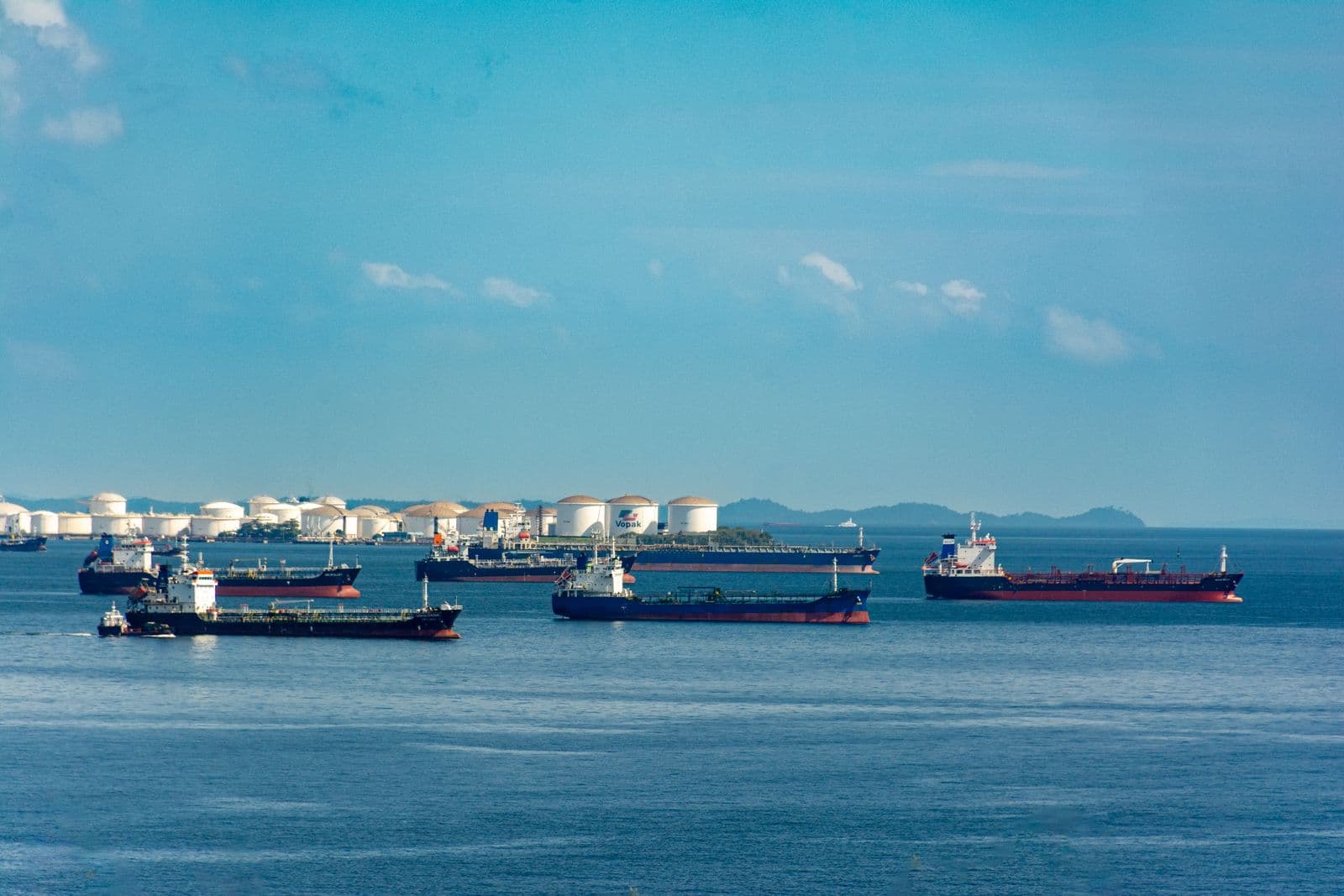
Iran's Oil Threat Reaches Past Hormuz — And Reprices Risk for Every Cross-Border Operator
The narrowing focus on the Strait of Hormuz understates the real supply risk. For operators in energy, freight, and private capital, the exposure sits in the wider network — and so does the opportunity.
The market habit of treating the Strait of Hormuz as the single chokepoint for Iranian oil disruption is convenient and wrong. DW's reporting makes the point plainly: Iran's supply threat extends beyond that waterway. That distinction matters more than it sounds, because it changes where the risk actually sits — and who needs to price it.
A Hormuz-only view treats the danger as binary: either tankers move or they don't. The reality is a distributed exposure that runs through storage, insurance, alternative routing, and the pricing of every barrel that touches the region. Operators who model a single closure scenario are protecting themselves against the least likely and most visible event while leaving the probable, quieter disruptions unhedged.
The risk moved, and so should the map
When supply risk broadens from one strait to a network, the cost of protection follows. Gold's record-breaking run, which DW continues to track, is the market telling you that capital is already repricing geopolitical uncertainty into hard assets. Oil and gas operators reading only the Hormuz headline are looking at yesterday's chokepoint while the hedging premium migrates across the whole system.
This is squarely where our Energy & Natural Resources practice and our Market Development & Facilitation teams work together rather than in sequence. The commodity view tells you the barrel is at risk; the facilitation view tells you which jurisdiction, which counterparty, and which regulatory regime absorbs that risk when routing changes. A trader in the Gulf, a refiner in Southeast Asia, and a private capital sponsor in Europe are all exposed to the same event through entirely different contracts — and they need different responses, not the same panicked one.
Overlapping shocks don't wait their turn
Iranian supply risk is not arriving into a calm market. The US has imposed 25% tariffs on Brazil with an election looming, per DW — a reminder that trade policy is now a discretionary, politically-timed instrument rather than a stable backdrop. Meanwhile BBC reports UK inflation is expected to rise from here even as some food prices have fallen. An energy price shock layered onto tariff volatility and a turning inflation cycle compounds; it does not average out.
For operators in Transportation & Mobility — particularly Freight & Logistics and Aviation — this compounding is the whole story. Fuel is the variable that transmits an oil shock into freight rates and airline economics within weeks. When the disruption is distributed rather than a clean closure, the fuel signal is noisier and the rerouting decisions harder. This is where our Business Optimization & Transformation practice earns its keep: not by predicting the shock, but by building the operating flexibility to reroute, resource, and reprice without waiting for the situation to resolve.
What field-grounded operators do now
InsightEDGE field research consistently shows the gap between what firms say about their risk posture and what their contracts and operations actually do — the same gap our Consumer & Behavioral Insights work exposes in demand data. In energy risk, that gap is expensive. Three moves separate the prepared from the exposed:
- Map the full exposure, not the chokepoint — insurance, storage, routing, and counterparty jurisdiction, because the risk now lives across all four.
- Treat tariff and inflation volatility as correlated with the oil shock, not as separate line items — build scenarios that let them hit at once.
- Keep facilitation capacity on the ground where routing decisions get made, so regulatory and partner questions get answered in days, not quarters.
The firms that come through a distributed supply threat in good shape will not be the ones that guessed Hormuz correctly. They will be the ones who read the risk where it actually moved and built the operating and market-access flexibility to act on it. That is the work — and it is work best done with people in the market, not modeling it from a distance.
- Iran's oil supply threat extends beyond Strait of Hormuz — DW Business
- US slaps 25% tariffs on Brazil with election looming — DW Business
- Will gold prices extend their record-breaking run? — DW Business
- Some food prices have fallen – but inflation expected to rise from here — BBC Business